
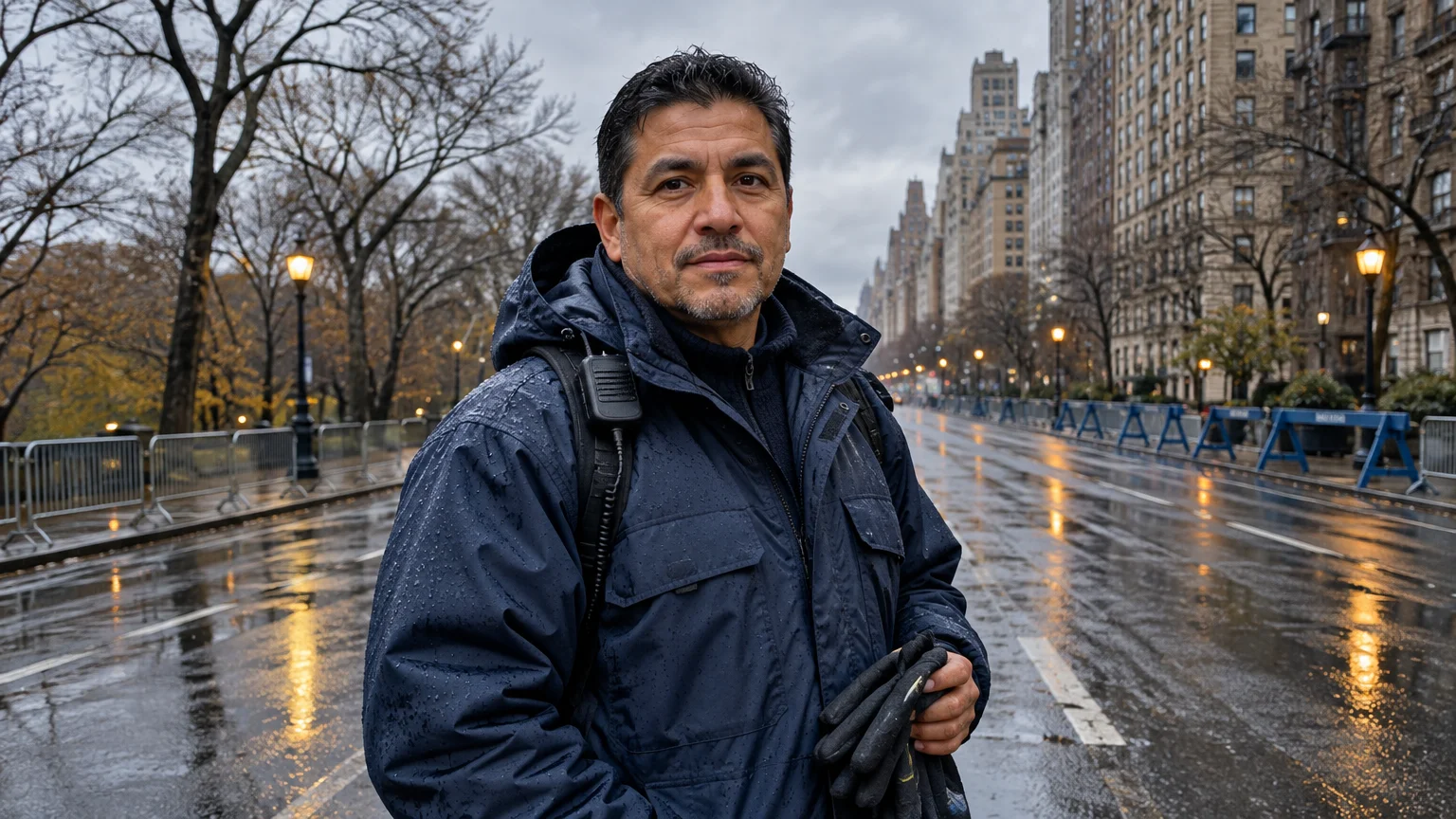
You woke up on Thanksgiving morning expecting giant balloons, but your screen showed an empty Manhattan avenue. A vicious coastal storm forced city leaders to make an unprecedented call.
For the first time in over a century, the Macys Thanksgiving Parade was moved from Thursday to Saturday. Millions of holiday viewers were left completely stunned across the country.
Behind closed doors, dangerous weather maps and strict safety mandates triggered this historic delay. Here is the real story behind why officials finally broke a 102-year holiday tradition.
Secret #1: A Ghost from 1997 Haunted City Hall
City officials did not delay the march on a whim. They remembered a terrifying tragedy from 1997 that almost killed a spectator.
During that march, 43 mph gusts slammed the giant Cat in the Hat balloon into a metal lamppost. Falling debris injured four people and left Kathleen Caronna in a coma for 24 days.
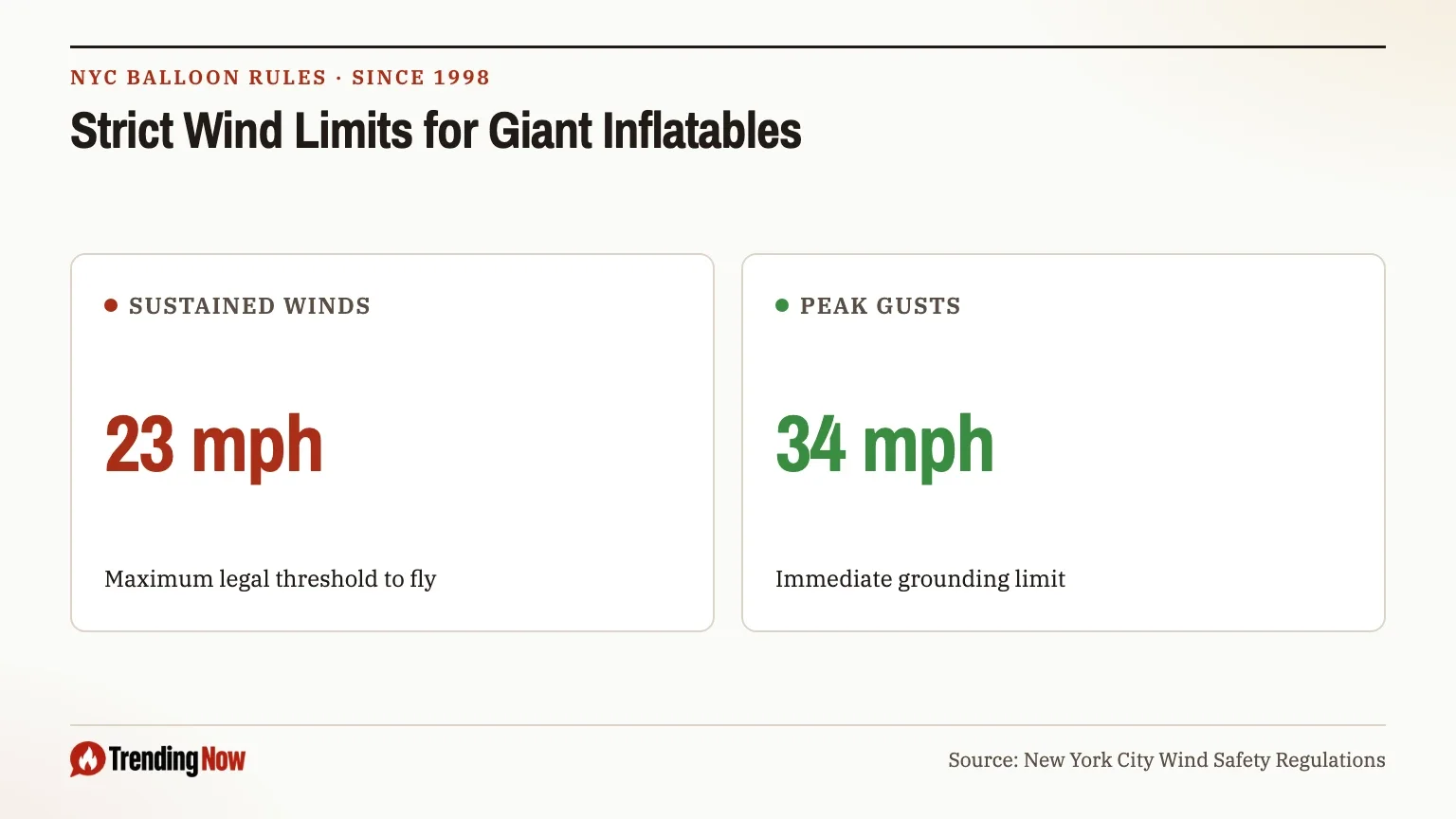
That dark day led New York City to create strict wind rules in 1998. The city banned giant balloons if sustained winds top 23 mph or gusts exceed 34 mph.
The police commissioner holds final legal authority over every single balloon. When forecasters saw dangerous gusts heading toward Manhattan, leaders refused to gamble with your safety.
Secret #2: The Hidden Chaos of Deflating 100 Giant Balloons
Did you know crews had already inflated the balloons before officials made the call? Giant characters were already floating on the Upper West Side on Wednesday afternoon.
Mayor Zohran Mamdani and Commissioner Jessica Tisch announced the change late Wednesday evening. That late announcement sparked total pandemonium behind the scenes.
Crews rushed into the night to deflate, pack, and store 100 massive inflatables. Workers then had to pump thousands of cubic feet of helium back into them on Friday.
This marks the first weather postponement in the parade’s 102-year history. Since 1924, only World War II had ever halted the beloved holiday march.
Secret #3: It Was NEVER Just About the Wind
Many people assumed organizers ran away from a light autumn breeze. That is DEAD WRONG.
A punishing nor’easter brought heavy rain, coastal flood warnings, and wind gusts up to 54 mph in Central Park. Nearby LaGuardia Airport recorded gusts reaching an alarming 66 mph.
The storm knocked out power for more than 908,000 customers across the East Coast. Governors in New York and New Jersey declared statewide emergencies as flooding swamped roadways.
The wind rules only require tethering balloons to the pavement. Moving the entire parade to Saturday was a bold, voluntary choice to protect over 11,000 performers.
Secret #4: Stranded Bands and Crowdfunded Miracles
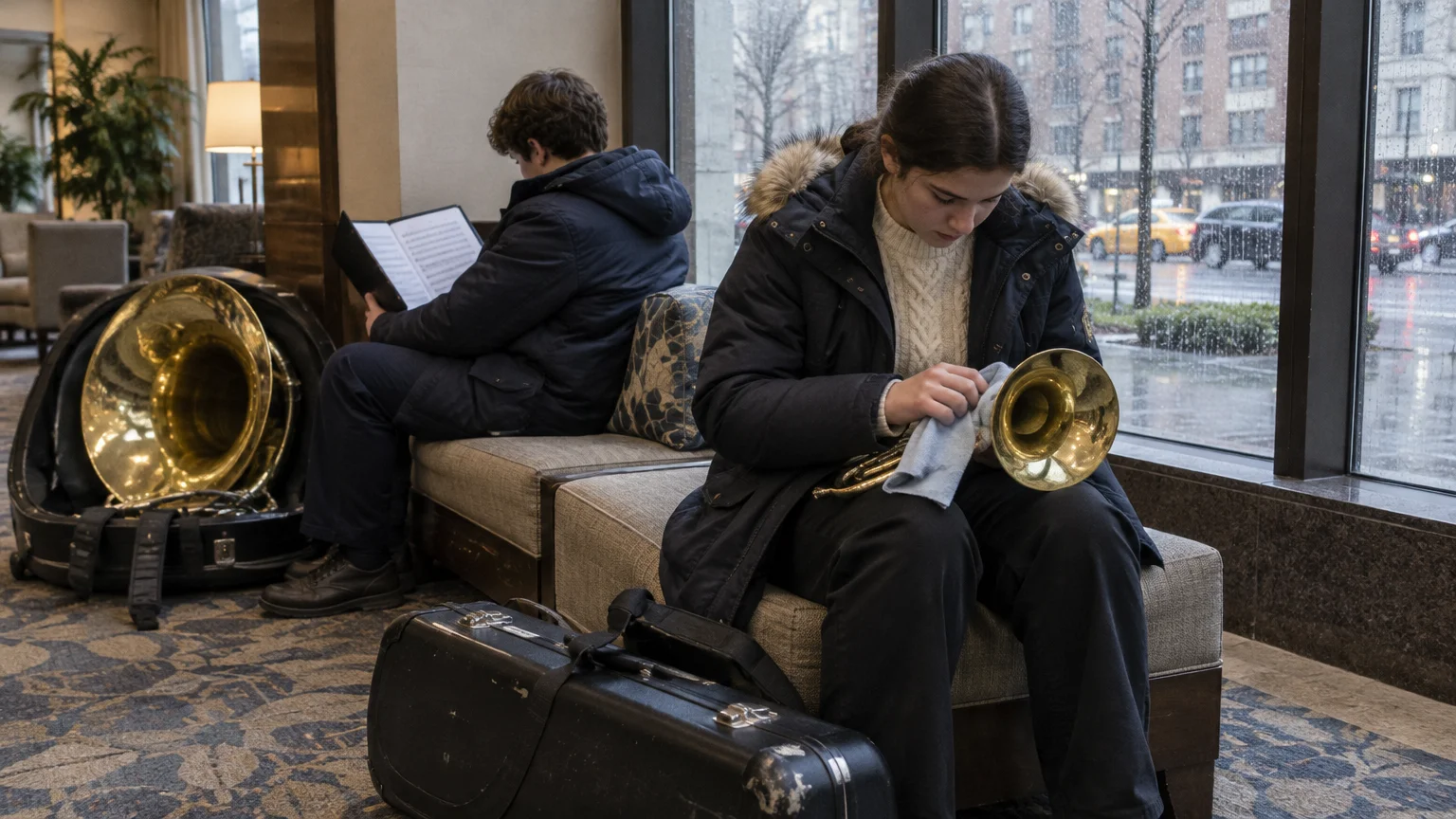
With the parade rescheduled, thousands of young performers found themselves trapped in New York City with no hotel rooms. It created a massive nightmare for holiday travel.
The University of Alabama’s Million Dollar Band had to drop out completely due to strict travel schedules. Macy’s Great American Marching Band faced the same heartbreaking reality.
Other student groups refused to give up their once-in-a-lifetime dream. Hawaii’s high school marching band crowdfunded over $500,000 in hours to extend their hotel stays.
Airlines even added special weekend flights to help stranded students get home. Meanwhile, music legends LL Cool J and Gloria Gaynor joined the new Saturday lineup.
Secret #5: The High-Stakes Saturday Gamble Paid Off
City leaders faced intense criticism for shattering Thanksgiving Day tradition. If Saturday brought terrible weather, the entire centennial celebration would collapse.
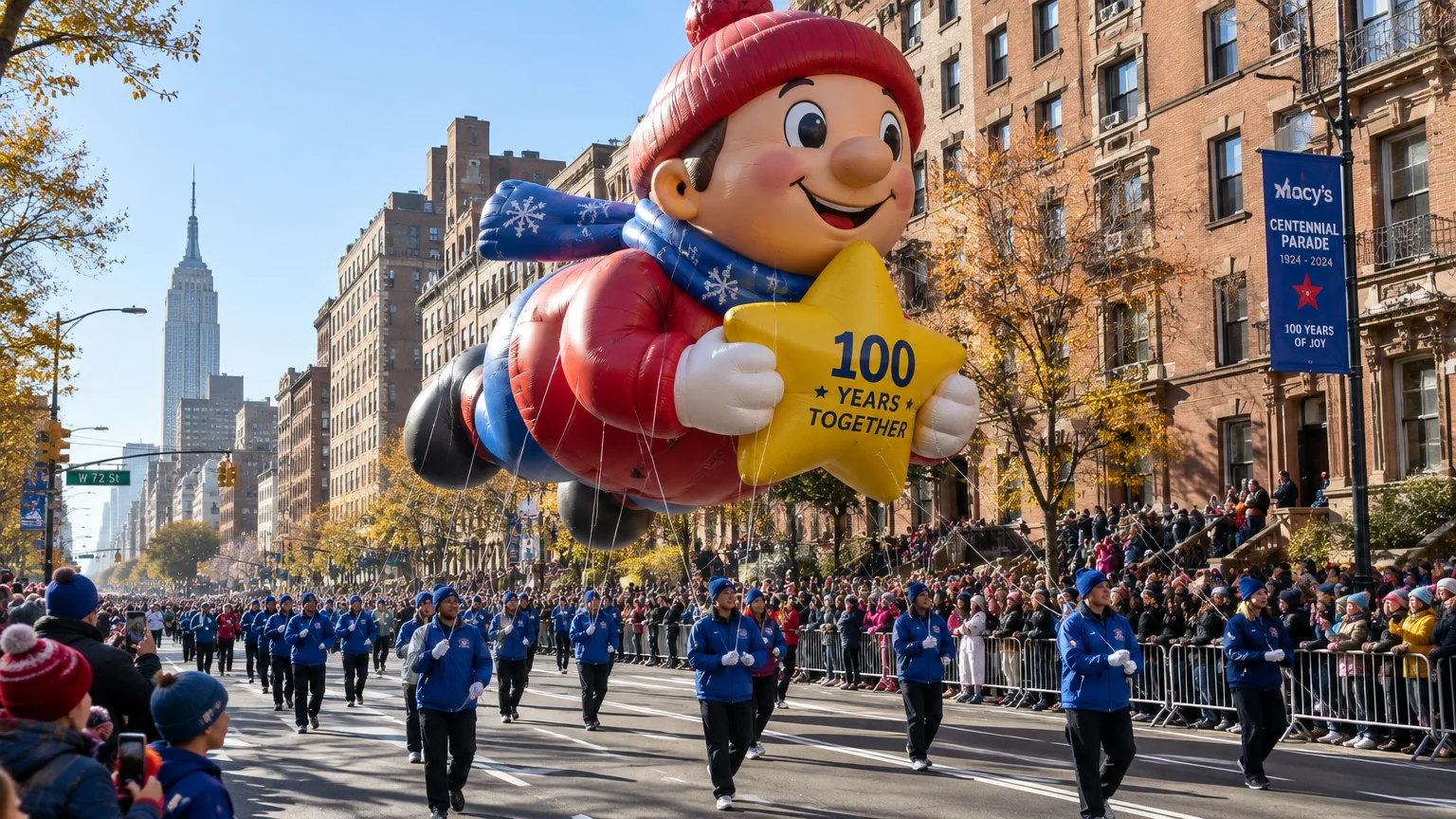
Fortunately, the weather gamble worked out brilliantly for everyone involved. Saturday morning brought calm, dry skies and cool temperatures around 45 degrees.
Sustained winds blew at a gentle 10 to 15 mph, with gusts peaking near 25 mph. That kept every single inflatable floating well below the danger zone.
Over 1,000 rescheduled police officers lined the 2.5-mile route down to Herald Square. Fans witnessed the full 100th march without a single flying balloon tearing away.
Secret #6: The Multi-Million Dollar Holiday Travel Trap
Millions of holiday travelers faced brutal travel delays while trying to watch the event. AAA estimated that 81.5 million Americans traveled over the Thanksgiving holiday weekend.
With round-trip domestic airfares averaging $800, families spent massive amounts of cash to visit Manhattan. Over 450 flights were canceled on Thanksgiving Day alone.
Families who bought pricey hotel rooms facing Central Park West watched empty streets on Thursday morning. Many visitors had to fly home before the parade even stepped off on Saturday.
The Takeaway: What This REALLY Means
This historic shift proves that safety now trumps even century-old American traditions. Officials will no longer risk lives to preserve a television broadcast schedule.
When climate conditions turn extreme, city leaders will make tough calls. The success of this move sets a major precedent for future holiday celebrations.
You should expect event planners to act earlier and faster whenever storm warnings appear. The 100th march survived because organizers chose caution over blind stubbornness.
Frequently Asked Questions
Why was the parade rescheduled instead of just flying balloons low?
The storm brought dangerous flooding, driving rain, and wind gusts above 50 mph. Flying balloons low would not protect over 11,000 marchers from severe coastal storm hazards.
Has Macy’s ever postponed the parade for weather before?
No, this was the first weather delay in parade history since 1924. The only other cancellations happened between 1942 and 1944 during World War II.
What are the exact wind rules for giant parade balloons?
Under city rules passed in 1998, balloons cannot fly if sustained winds top 23 mph. They must also stay grounded if wind gusts exceed 34 mph.
What did television viewers see on Thanksgiving Day?
NBC broadcast an encore presentation of the 2025 parade during the original Thursday morning slot. The network then aired the live 100th parade on Saturday morning.
This content is for entertainment and informational purposes. For breaking news, consult major outlets like Reuters and the Associated Press (AP). For fact-checking, visit Snopes.
Disclaimer: The content in this article is based on publicly available information, rumors, and speculation and is intended for entertainment. Information may not be fully verified. Reader discretion is advised.


